Source RoHS Compliant EMI RFI Filter for Industrial, Medical, and Power Systems
Compare 30 verified listings for RoHS Compliant EMI RFI Filter components suitable for electronic equipment, power supplies, and communication devices. Buyers can review specifications like rated voltage, current, and insertion loss from suppliers in China.
Key considerations
Products List
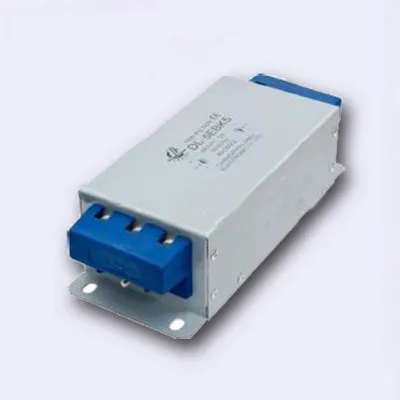


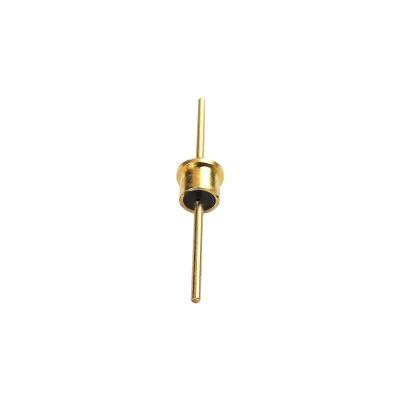
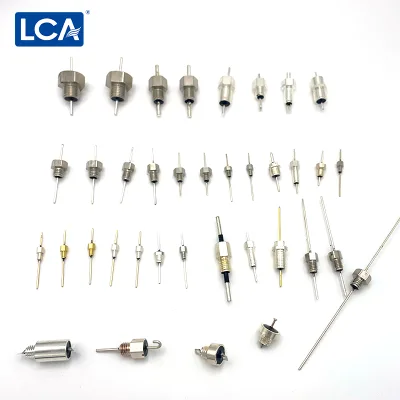
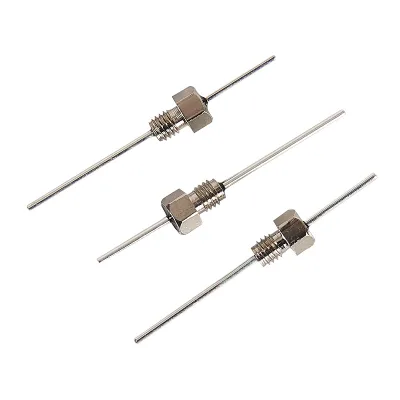


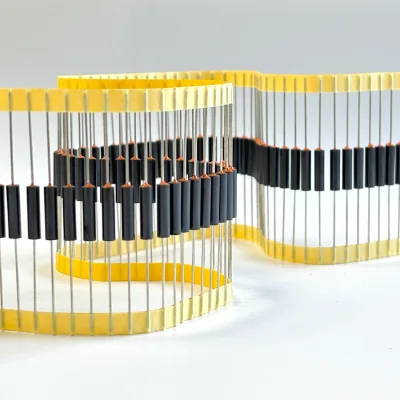

Comprehensive Sourcing Guide
Strategic Sourcing Guide for RoHS Compliant EMI and RFI Filters
Navigating the global supply chain for electromagnetic interference (EMI) and radio frequency interference (RFI) filters requires a disciplined approach to technical verification and compliance validation. Buyers seeking RoHS compliant solutions must distinguish between general market offerings and products that meet specific regulatory and performance thresholds. The market presents a wide spectrum of options, ranging from high-power industrial units to miniature surface-mount components. This guide outlines the critical factors for sourcing these components, focusing on the intersection of technical specifications, regulatory adherence, and supplier reliability.
Technical Specifications and Performance Parameters
When evaluating EMI and RFI filters, the primary focus must be on the transfer function and frequency response, as these determine the filter's ability to suppress noise without affecting the desired signal. The observed market data indicates a diverse range of transfer functions, including High Pass, Low Pass, and All Pass configurations. A High Pass filter allows frequencies above a certain cutoff to pass while attenuating lower frequencies, whereas a Low Pass filter does the opposite. All Pass filters are designed to maintain signal integrity across a broad spectrum while managing phase characteristics.
Frequency performance is equally critical. Specifications often cite a typical work frequency range of 150kHz to 30MHz, which covers a significant portion of industrial and commercial noise profiles. Specific models may feature a nominal center frequency of 100MHz or a 3dB bandwidth of 50MHz, indicating their suitability for high-frequency applications. Buyers must verify the insertion loss, a key metric for attenuation capability. Observed values include 5dB for certain industrial units, while others may specify loss as a percentage, such as less than 3.5%. It is essential to confirm that the stated insertion loss aligns with the specific noise environment of the target application.
Electrical ratings define the operational limits of the filter. The rated voltage for many industrial-grade units spans from AC220V to 1140V, accommodating a wide range of power systems. The operating frequency is typically standardized at 50Hz or 60Hz for power line applications. Current ratings vary significantly, with observed ranges extending from 5A up to 1200A, necessitating careful selection based on the load requirements. The input impedance is often standardized at 50 Ω for RF applications, ensuring compatibility with transmission lines.
Compliance and Certification Verification
The core keyword "RoHS compliant" mandates a rigorous check of material composition and regulatory documentation. While general market knowledge suggests the existence of RoHS standards, specific product listings must be scrutinized for explicit certification. The available data confirms that many products carry CE, ISO, RoHS, and CCC certifications. The presence of these marks indicates adherence to specific safety and environmental standards, but buyers should request valid certificates of conformity rather than relying solely on product descriptions.
Environmental compliance is not limited to RoHS. The data also highlights CE and ISO certifications, which address safety and quality management systems respectively. The CCC mark is particularly relevant for products intended for the Chinese market or those manufactured within China. Buyers should verify that the "RoHS compliant" claim is backed by a test report from an accredited laboratory, as self-declaration without third-party verification can be unreliable.
Material composition is another critical compliance factor. Stainless steel is a common material for the housing of these filters, offering durability and corrosion resistance. Some components feature gold-plated surfaces, which enhance conductivity and prevent oxidation. The key parts of these filters are often sourced from Germany and Japan, regions known for high-quality electronic components. This supply chain detail can be a proxy for quality, but it does not automatically guarantee compliance with RoHS restrictions on hazardous substances like lead, mercury, or cadmium.
Cost Drivers and Pricing Dynamics
The pricing for EMI and RFI filters is influenced by a complex matrix of factors, including material costs, manufacturing complexity, and certification requirements. The observed price range in the market is extensive, spanning from $0.02 to $3800. This vast disparity reflects the difference between miniature surface-mount components and large, high-current industrial units. A unit priced at $0.02 likely represents a small, low-current component, whereas a $3800 unit may be a high-power filter designed for heavy industrial machinery.
Minimum Order Quantity (MOQ) is a significant cost driver. The observed MOQ range extends from 1 to 5000 units. Low MOQs, such as 1 unit, are typical for sampling or small-batch procurement but often come with a higher unit cost. High MOQs, reaching 5000 units, are usually associated with lower per-unit pricing but require significant capital commitment and storage capacity. Buyers must balance the need for inventory flexibility against the economies of scale offered by larger orders.
Other cost factors include the complexity of customization and the origin of key components. Products with available customization options may carry a premium due to the engineering and tooling required. The sourcing of key parts from Germany and Japan can also impact the final price, as these regions often command higher labor and component costs compared to local alternatives. Additionally, the packaging and weight of the product affect shipping costs. Observed single package sizes range from 10x10x10 cm to 30x18x12 cm, with gross weights varying from 0.001 kg to 10.000 kg. Heavy industrial units will incur significantly higher logistics expenses than lightweight components.
Typical Applications and Industry Use Cases
EMI and RFI filters are ubiquitous in modern electronic equipment, serving to protect sensitive circuits from external noise and prevent internal emissions from interfering with other devices. The primary application category identified is "Electronic Equipment," a broad term encompassing everything from consumer electronics to industrial automation systems. The specific type of filter, such as an EMI Filter or EMC Filter, dictates its suitability for different environments.
Industrial applications often require robust units with high current ratings and wide voltage ranges. The presence of vector control or V/F control attributes suggests these filters are integrated into motor drive systems and variable frequency drives (VFDs). These systems are common in manufacturing, where the switching of high-power devices generates significant electromagnetic noise. The operating temperature range of -25°C to +85°C indicates suitability for harsh environments, including outdoor installations or unheated industrial facilities.
RF applications utilize filters with specific center frequencies and bandwidths. The "Mini Eyelet Filter" and "RFI Filter" types, with their small package sizes and solder mounting types, are ideal for compact consumer electronics and communication devices. The input impedance of 50 Ω is standard for RF systems, ensuring minimal signal reflection. The typical work frequency of 150kHz to 30MHz covers a broad spectrum of interference sources, including switching power supplies and radio transmitters.
Supplier Evaluation and Geographic Considerations
Selecting a reliable supplier is paramount for ensuring product quality and delivery consistency. The data indicates that the primary place of origin for these products is China, with specific mentions of Zhejiang and Fujian provinces. These regions are known for their robust manufacturing ecosystems and specialized electronics clusters. However, the presence of key parts from Germany and Japan suggests a global supply chain integration, where Chinese manufacturers assemble components sourced internationally.
Brand names observed in the market include CHZIRI and LCA. While these brands provide a point of reference, buyers should not rely on brand recognition alone. Instead, they should evaluate the supplier's technical capabilities, production capacity, and quality control processes. The availability of customization is a strong indicator of a supplier's flexibility and engineering support. A supplier that offers customization is more likely to be able to meet specific application requirements than one that only offers standard off-the-shelf products.
Lead time is another critical factor in supplier evaluation. The observed delivery time is 5 days, which suggests a high level of readiness for standard products. However, this lead time may vary for customized orders or high-volume shipments. Buyers should clarify the lead time for their specific order quantity and customization needs to avoid production delays. The selling unit is typically a single item, which simplifies the ordering process but requires careful aggregation for bulk purchases.
Quality Control and Long-Term Procurement
Quality control is essential for maintaining the performance and reliability of EMI and RFI filters. Buyers should implement a rigorous inspection regime that includes visual checks for surface finish, such as gold plating, and dimensional verification against the specified single package size. Electrical testing should be conducted to verify the insertion loss, transfer function, and frequency response. The observed insertion loss values, such as 5dB or less than 3.5%, must be confirmed through independent testing to ensure they meet the design requirements.
Long-term procurement considerations involve assessing the supplier's ability to maintain consistent quality over time. The warranty period of 12 months is a standard offering, but buyers should negotiate terms that cover potential defects or performance degradation. The availability of spare parts and the supplier's response time to quality issues are also important factors. A supplier with a strong track record in the industry and a commitment to continuous improvement is more likely to provide reliable support over the lifecycle of the product.
The environmental impact of the product is another long-term consideration. RoHS compliance ensures that the product does not contain hazardous substances, reducing the environmental burden and regulatory risk. Buyers should verify that the supplier maintains a robust environmental management system, such as ISO certification, to ensure ongoing compliance. The use of sustainable materials and manufacturing processes can also contribute to the long-term viability of the supply chain.
Comparative Analysis of Filter Types
To assist buyers in making informed decisions, the following table summarizes the key characteristics of the observed filter types. This comparison highlights the differences in specifications, applications, and performance metrics.
| Feature | Industrial EMI Filter | Mini Eyelet / RFI Filter | High-Power EMC Filter |
|---|---|---|---|
| Type | EMI Filter / EMC Filter | Mini Eyelet Filter | EMC Filter |
| Transfer Function | High Pass, Low Pass, All Pass | Low Pass | High Pass |
| Rated Voltage | AC220-1140V | Not Specified | AC220-1140V |
| Rated Current | 5A ~ 1200A | Low (Implied) | High (Implied) |
| Typical Work Freq | 150kHz ~ 30MHz | 100MHz (Center) | 150kHz ~ 30MHz |
| Insertion Loss | 5dB | <3.5% | Variable |
| Mounting Type | Not Specified | Solder | Not Specified |
| Material | Stainless Steel | Stainless Steel | Stainless Steel |
| Package Size | 30x18x12 cm | 10x10x2 cm | 3x0.8x0.8 cm |
| Gross Weight | 10.000 kg | 0.001 kg | 0.050 kg |
| Certification | CE, ISO, RoHS, CCC | CE, ISO, RoHS, CCC | CE, ISO, RoHS, CCC |
| Application | Electronic Equipment | RF Systems | Electronic Equipment |
This table illustrates the diversity of the market and the importance of matching the filter type to the specific application. Industrial units are designed for high power and harsh environments, while mini eyelet filters are optimized for compact RF applications. EMC filters serve as a bridge, offering robust performance for general electronic equipment.
Conclusion
Sourcing RoHS compliant EMI and RFI filters requires a comprehensive understanding of technical specifications, regulatory requirements, and market dynamics. Buyers must carefully evaluate the transfer function, frequency response, and electrical ratings to ensure the filter meets the specific needs of their application. Compliance with RoHS and other certifications is non-negotiable and must be verified through valid documentation. Cost drivers such as MOQ, customization, and material sourcing play a significant role in the total cost of ownership. By selecting a reliable supplier with a strong quality control process and a commitment to long-term support, buyers can ensure the performance and reliability of their electronic systems. The diverse range of products available in the market offers solutions for a wide array of applications, from industrial motor drives to compact consumer electronics.
FAQs
What certifications do these filters hold?
These filters hold CE, ISO, RoHS, and CCC certifications. The presence of these marks indicates adherence to specific safety and environmental standards, but buyers should request valid certificates of conformity rather than relying solely on product descriptions.
How is the rated voltage defined for these units?
The rated voltage spans from AC220V to 1140V for many industrial-grade units. This wide range accommodates various power systems, allowing the filters to be used in diverse electrical environments without immediate compatibility issues.
Which transfer functions are available for these filters?
Available transfer functions include High Pass, Low Pass, and All Pass configurations. These options determine the filter's ability to suppress noise without affecting the desired signal, allowing selection based on specific frequency requirements.
Can I find customization options for these products?
Customization is available for these filter products. This option indicates a supplier's flexibility and engineering support, enabling them to meet specific application requirements that standard off-the-shelf products might not satisfy.
What is the typical delivery lead time for orders?
The observed delivery time is 5 days for standard products. This lead time suggests a high level of readiness, though it may vary for customized orders or high-volume shipments requiring additional processing.
Where are these products primarily manufactured?
The primary place of origin is China, specifically Zhejiang and Fujian provinces. These regions are known for robust manufacturing ecosystems, though key parts are often sourced from Germany and Japan for quality assurance.
How does the MOQ vary for these items?
The minimum order quantity ranges from 1 to 5000 units. Low MOQs are typical for sampling, while high MOQs are associated with lower per-unit pricing but require significant capital commitment and storage capacity.